First West Nile Virus Mosquito Pool of the Season Detected in Brown County
- Steve Jurrens

- Jun 15
- 2 min read
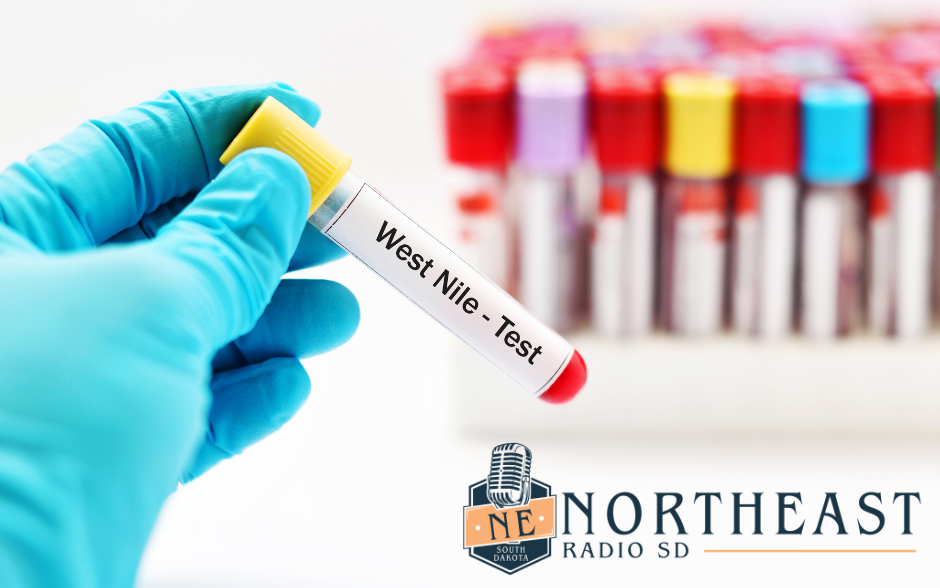
Northeast Radio SD News – Brown County, SD - State health officials have confirmed the first West Nile virus (WNV) detection in a mosquito pool this season, located in Brown County. Following the detection, the South Dakota Department of Health (DOH) is urging residents to take preventative measures as mosquito activity increases across the state.
“Protecting yourself against pesky mosquito bites is important for preventing West Nile infection,” said Dr. Joshua Clayton, State Epidemiologist. “Using bug spray and limiting activities between dusk-to-dawn hours can reduce your risk of infection.”
The primary carrier of the virus in South Dakota is the Culex tarsalis mosquito, which is most active from dusk to midnight. Earlier this year, the state reported one human case of WNV, which officials classified as an early-season outlier.

High-Risk Populations and Symptoms
While anyone can contract WNV, health officials stress that personal precautions are critical for high-risk groups, including:
· Adults over 60 years of age
· Pregnant women
· Transplant patients
· Individuals with cancer, diabetes, hypertension, or kidney disease
Symptoms of WNV infection can include fever, severe or unusual headaches, rash, swollen lymph nodes, and muscle and joint aches. The DOH advises anyone experiencing severe symptoms to consult a physician immediately.
DOH Recommendations for Prevention
To reduce the risk of infection and support local mosquito control efforts, the DOH recommends the following precautions:
· Use Repellent: Apply EPA-registered mosquito repellents (such as DEET, picaridin, oil of lemon eucalyptus, 2-undecanone, param-menthane-diol, or IR3535) to exposed skin and clothing.
· Cover Up: Limit exposure by wearing long sleeves and pants during the evening hours.
· Avoid Peak Hours: Limit time outdoors between dusk and midnight when mosquitoes are most active.
· Eliminate Breeding Grounds: Remove standing water where mosquitoes lay eggs. Regularly empty and clean birdbaths, outdoor pet dishes, flowerpots, and garden containers.
Since WNV was first reported in South Dakota in 2002, the state has recorded 2,952 human cases and 58 deaths, with cases reported in every county. For more information on West Nile virus, residents can visit the South Dakota Department of Health website.